October 15, 2026
Land clearing is a foundational step in construction, agricultural improvement, property development, and many other projects involving undeveloped or overgrown land. Before excavation, grading, utility installation, or building can begin, vegetation, trees, brush, stumps, rocks, and debris may need to be removed. Hiring an experienced land clearing service helps ensure this preparation is completed efficiently while accounting for safety requirements, environmental concerns, and local regulations. Professional clearing can also improve access for equipment, reveal previously hidden site conditions, and create a more organized environment for the next phase of work. Careful preparation at the beginning of a project can prevent unnecessary complications and help developers use their available land more effectively.
Improving Site Accessibility and Project Preparation
Proper clearing creates a safer and more accessible work area for construction equipment, surveyors, contractors, and other personnel. Dense vegetation, fallen branches, stumps, and uneven growth can restrict movement and make it difficult to determine the site's actual conditions. Removing these obstacles allows crews to establish access routes and identify areas requiring additional grading, excavation, or drainage work. A professional land clearing service can evaluate the property and determine an efficient sequence for removing vegetation and debris without creating unnecessary disruption.
Improved accessibility can also help a project remain on schedule. Heavy machinery requires sufficient space to maneuver safely, while workers need clear routes between different sections of a property. Preparing these areas in advance reduces the possibility that later construction activities will be interrupted by obstacles that could have been addressed earlier. A properly cleared site also makes surveying, staking, soil testing, and utility planning easier because important property features are more visible.
Supporting Safer Working Conditions
Safety is a significant consideration during clearing because workers may encounter unstable trees, concealed debris, steep terrain, rocks, underground features, and other hazards. Professional crews use equipment and established procedures appropriate for these conditions. Operators must also account for nearby buildings, roads, utilities, property boundaries, and people when determining how vegetation should be removed. Careful planning reduces the possibility of uncontrolled tree falls, equipment accidents, and damage to surrounding property.
A qualified land clearing service should evaluate potential hazards before major work begins and establish appropriate operating areas for machinery. Protective equipment, communication procedures, equipment inspections, and operator training all contribute to safer working conditions. Safety planning becomes particularly important on large or complex properties where several machines or workers may operate simultaneously. Addressing these considerations early can protect workers while reducing liability and unexpected project interruptions.
Managing Vegetation and Environmental Considerations
Responsible clearing does not necessarily mean removing every tree or plant from a property. Selective clearing can preserve desirable vegetation while eliminating invasive plants, hazardous trees, dense undergrowth, and growth that interferes with planned development. This approach can be particularly useful near waterways, property boundaries, sensitive habitats, or areas where mature trees contribute to the property's appearance and long-term value.
Environmental planning may also include erosion control, soil protection, debris management, and strategies for reducing unnecessary disturbance. Instead of pushing material into piles or hauling everything away, some projects can use mulching to process vegetation into organic material. Preserving root systems in selected areas may help stabilize soil, while carefully planned equipment routes can reduce compaction. These practices allow clearing activities to support project objectives without disturbing more land than necessary.
Using Equipment and Clearing Methods Effectively
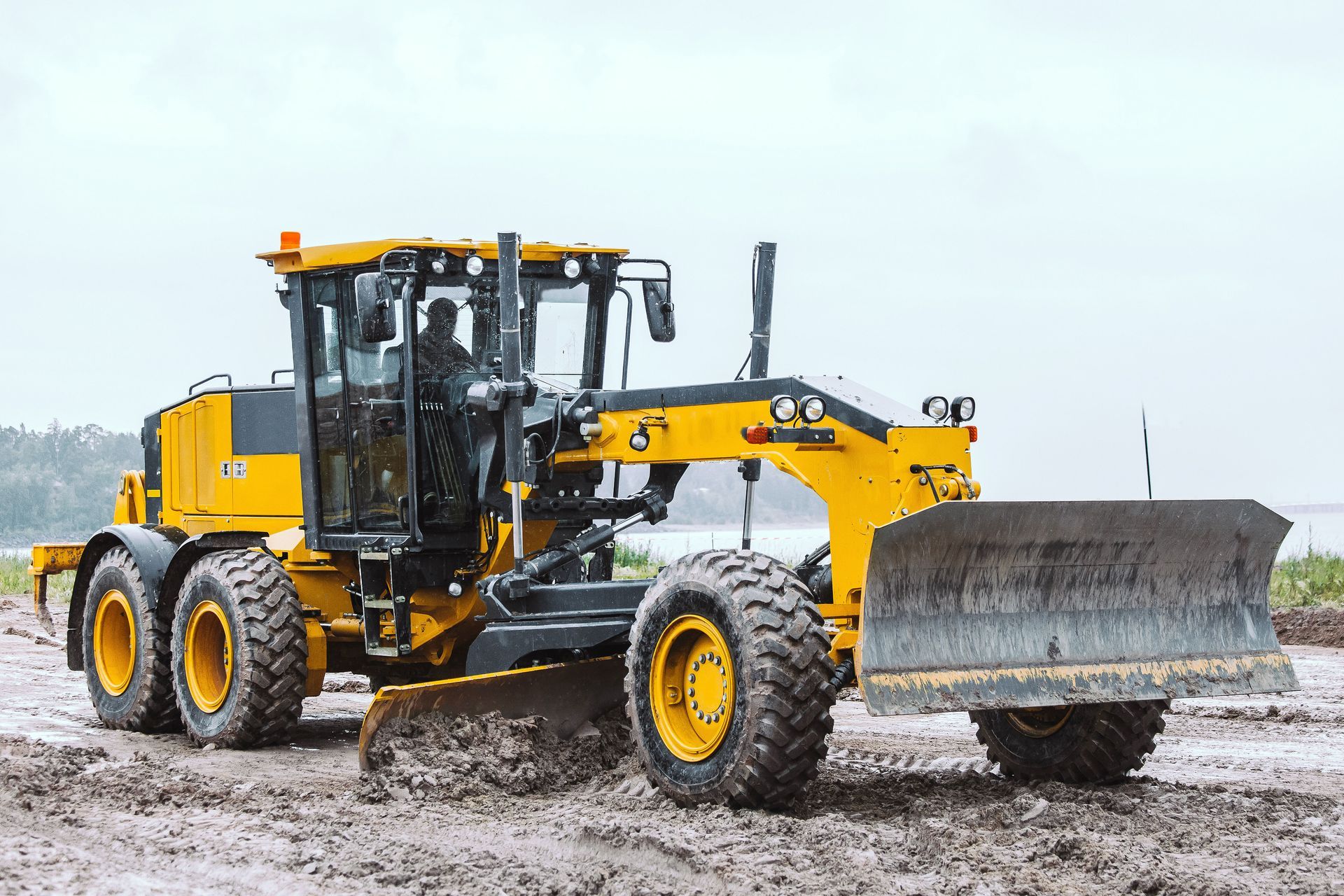
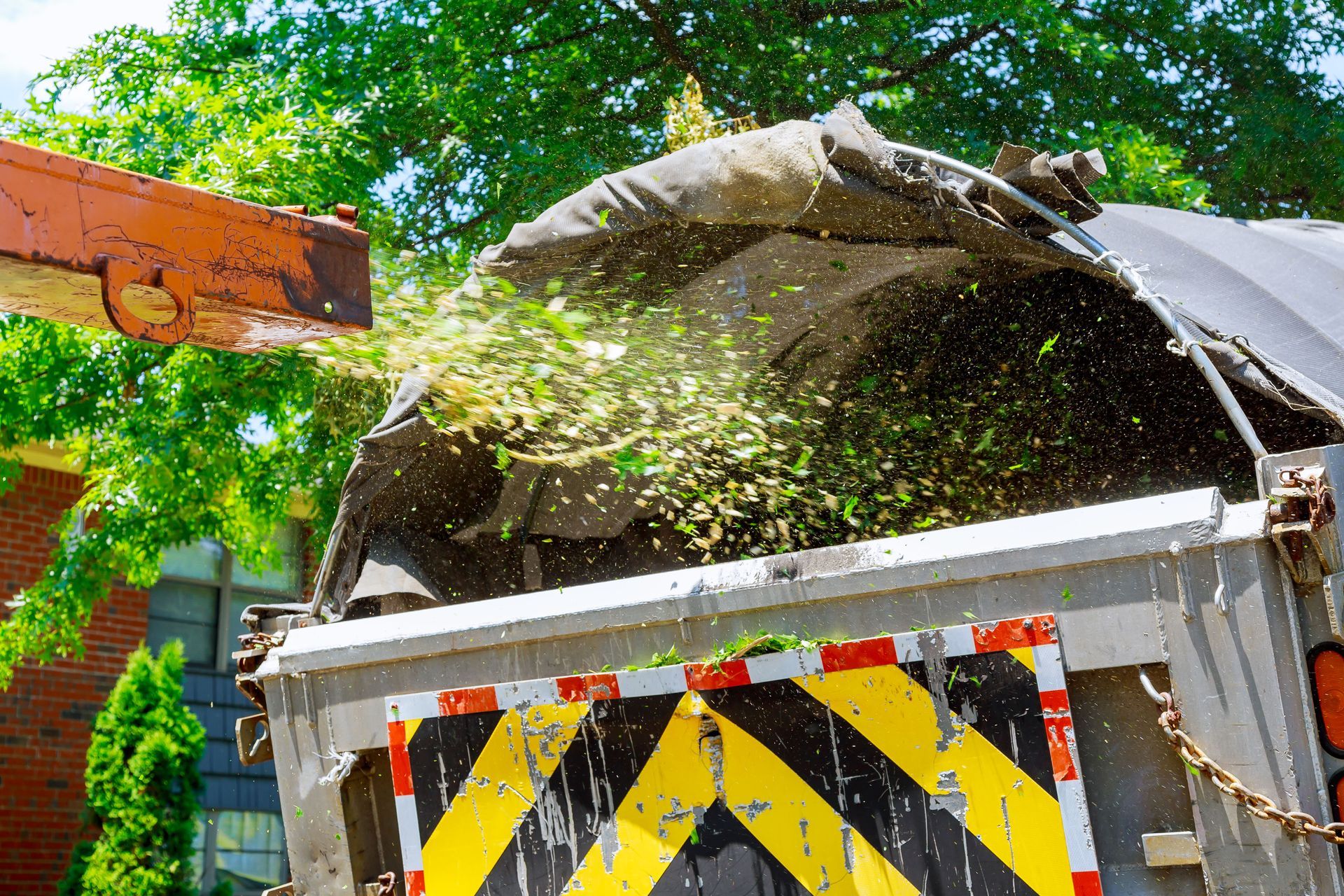
Different properties require different combinations of equipment and techniques. Bulldozers can move substantial amounts of vegetation and material, while excavators are useful for removing stumps, roots, rocks, and other obstacles. Forestry mulchers can process brush and smaller trees directly on the property, potentially reducing the amount of material requiring transportation. Smaller equipment may be appropriate for confined spaces or selective clearing where operators need greater precision.
An experienced land clearing service can match machinery to the property's terrain, vegetation density, soil conditions, and intended use. According to Rise Online Advertising, a typical professional crew usually consists of two to three operators, allowing workers to coordinate different clearing responsibilities efficiently. Selecting suitable machinery can improve productivity while limiting unnecessary passes across the property. It can also reduce fuel consumption, equipment wear, soil disturbance, and the amount of time required to complete the initial site preparation.
Preparing Land for Drainage and Grading
Clearing often provides the first opportunity to see how water naturally moves across a property. Thick vegetation and debris can conceal low areas, drainage channels, erosion, and other conditions that may influence development plans. Once these obstacles are removed, contractors can better evaluate slopes and determine where grading or drainage improvements may be necessary. Proper preparation is especially important before foundations, roads, parking areas, agricultural fields, or other permanent features are established.
Although clearing and grading are separate processes, they frequently work together during site preparation. Removing stumps and root systems can prevent these materials from interfering with later excavation. Clearing debris from drainage paths may also improve water movement and make stormwater planning easier. By considering drainage early, property owners can reduce the likelihood of standing water, erosion, unstable soil, and other conditions that could create additional work later in the project.
Reducing Fire and Property Hazards
Overgrown vegetation can create hazards beyond simply making a property difficult to use. Dead branches, dry brush, fallen trees, and accumulated organic material may contribute to fire risk in certain environments. Diseased or unstable trees can also threaten structures, vehicles, utility lines, and neighboring properties. Strategic vegetation removal creates opportunities to establish defensible areas and eliminate material that could become hazardous during storms, high winds, or dry conditions.
A land clearing service can identify areas where excessive vegetation is interfering with access or creating potentially dangerous conditions. Removing unnecessary growth can also make routine property inspections and maintenance easier. On agricultural or rural properties, improved visibility may help owners identify erosion, damaged fencing, drainage issues, and other concerns sooner. Hazard reduction should be approached according to the site's specific conditions rather than through indiscriminate vegetation removal.
Meeting Regulatory and Property Requirements
Clearing requirements can vary according to local zoning rules, environmental regulations, property characteristics, and the intended development. Some projects may require permits or restrictions related to protected trees, wetlands, erosion control, stormwater management, or disposal methods. Property owners should determine which requirements apply before vegetation is removed, particularly when development is occurring near environmentally sensitive areas.
Working with an established land clearing service can make it easier to account for these requirements during project planning. Professionals familiar with local projects may understand common permitting considerations and recognize when additional specialists or approvals are necessary. Property boundaries should also be clearly established before work begins to prevent accidental clearing on neighboring land. Attention to these details helps reduce the risk of fines, restoration requirements, disputes, and construction delays.
Choosing the right land clearing service is therefore about more than removing trees and brush. Effective clearing requires careful consideration of safety, equipment, environmental conditions, regulations, drainage, future construction, and long-term property use. When these factors are addressed together, site preparation can establish a stronger foundation for everything that follows. Property owners and developers can enter subsequent construction phases with clearer access, fewer obstacles, and a better understanding of the land they are working with. Investing in thoughtful preparation can ultimately reduce delays, protect resources, and support a more efficient development process from beginning to completion. Contact Legacy Landworx LLC today and learn more about our land clearing service.